A Culinary and Cultural Symphony
The food and culture of Bhagyanagar represent a magnificent tapestry woven from centuries of diverse influences, royal patronage, and community traditions that have created one of India's most sophisticated and celebrated culinary landscapes. This extraordinary city serves as a living museum of cultural synthesis where Persian elegance meets Mughlai refinement, Arabic traditions blend with Turkish innovations, and local Telangana flavors combine with influences from across the Indian subcontinent to create something entirely unique and unforgettable.
🍽️ The Legendary Culinary Heritage of Bhagyanagar
The culinary tradition of Bhagyanagar stands as one of the most sophisticated and internationally recognized in India, developed through centuries of cultural exchange, royal patronage, and community innovation that has created a food culture renowned for its complexity, elegance, and extraordinary depth of flavor. This remarkable cuisine reflects influences from Persian, Mughlai, Turkish, and Arabic cooking traditions, combined with indigenous Telangana and Andhra Pradesh flavors to create culinary masterpieces found nowhere else in the world.
What distinguishes Bhagyanagar's cuisine from other regional Indian foods is not merely the recipes themselves, but the underlying philosophy and approach to cooking that treats food preparation as a high art form requiring patience, skill, and deep understanding of ingredient combinations, spice balancing, and cooking techniques that have been refined over generations. The use of premium quality ingredients, carefully selected spices sourced from specific regions, and time-honored cooking methods ensures that each dish represents the pinnacle of culinary achievement.
The city's culinary heritage has been preserved and transmitted through generations of families, restaurants, and communities who have maintained traditional recipes and cooking methods while carefully adapting to changing tastes and dietary preferences. Many of the city's most famous restaurants and food establishments can trace their recipes back several centuries, creating authentic connections between contemporary diners and the historical culinary traditions that define the city's gastronomic identity.
The social and cultural aspects of dining in Bhagyanagar are equally important as the food itself, with meals serving as opportunities for family bonding, business discussions, community celebration, and cultural expression. The traditional concept of "Daawat" (feast) emphasizes hospitality, generosity, and the sharing of abundance with guests, friends, and even strangers, reflecting the city's deep-rooted values of community welcome and cultural inclusivity.
Food preparation in Bhagyanagar households and restaurants often involves elaborate processes that can take hours or even days to complete, demonstrating the commitment to excellence and authenticity that characterizes the local culinary culture. These time-intensive preparations are seen not as burdens but as expressions of love, respect, and cultural pride that connect present-day cooks with centuries of culinary tradition.
👑 Biryani - The Crown Jewel of Bhagyanagar Cuisine
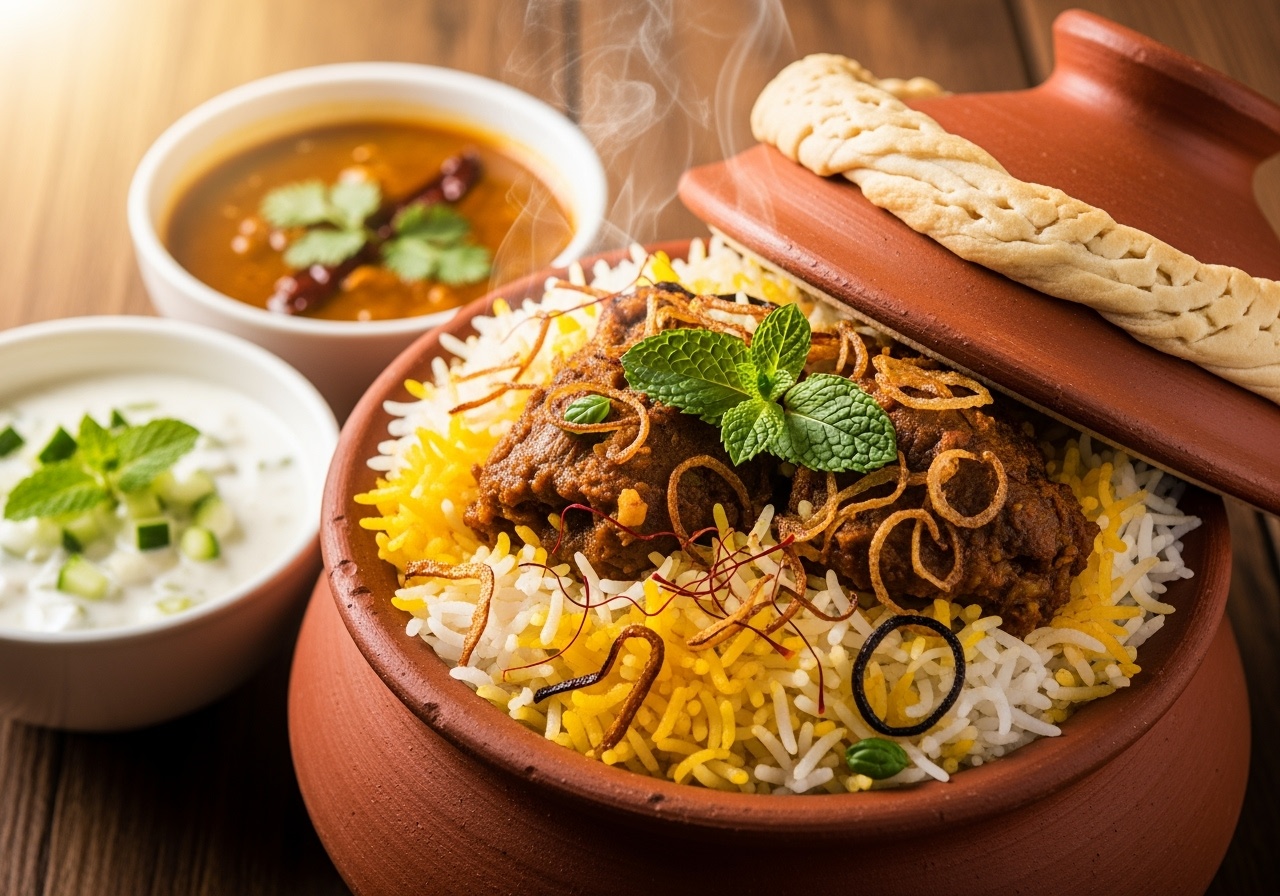
Bhagyanagar Biryani stands as the undisputed monarch of Indian rice dishes, representing not merely a culinary preparation but a cultural institution, a source of civic pride, and an integral component of the city's identity that connects residents to their heritage while attracting food enthusiasts from every corner of the globe. This extraordinary dish transcends simple categorization as food, evolving into a symbol of cultural sophistication, culinary artistry, and the successful synthesis of diverse cultural influences.
The historical origins of Bhagyanagar Biryani can be traced back to the royal kitchens of the Nizams, where master chefs developed elaborate recipes that combined the finest ingredients available from across the region and beyond. These culinary artists experimented with different rice varieties, spice combinations, cooking techniques, and presentation styles to create a dish that would satisfy the refined palates of royal courts while representing the cultural sophistication achieved during the peak of Nizam rule.
Authentic Bhagyanagar Biryani requires premium quality aged Basmati rice, carefully selected for its length, aroma, and cooking properties, combined with tender meat (traditionally goat, though chicken and other variations have become popular) that has been marinated for hours in yogurt and spices. The spice blend includes saffron (often more valuable than gold), green and black cardamom, cinnamon, bay leaves, star anise, and other aromatic spices, each contributing specific flavors and aromas to the final dish.
The preparation process represents a masterclass in culinary technique, involving multiple stages of cooking that require precise timing, temperature control, and understanding of how different ingredients interact during the cooking process. The rice and meat are prepared separately using different spice combinations and cooking methods, then layered together in a heavy-bottomed pot called a "bhaghar" or "dum" where the final cooking process occurs over carefully controlled low heat.
The "dum pukht" cooking method, which gives the dish its distinctive character, involves sealing the pot with dough to create a pressure-cooking environment that allows flavors to concentrate and meld together while ensuring that each grain of rice remains separate and perfectly cooked. This technique, requiring considerable skill and experience, creates the characteristic aroma, texture, and flavor layering that distinguishes authentic Bhagyanagar Biryani from imitations.
What makes Bhagyanagar Biryani truly unique is the specific combination of spices, the precise cooking technique, and the creation of distinct layers of flavor and texture within a single dish. The bottom layer often features perfectly cooked meat that has absorbed the spice marinades and cooking juices, while the middle layers contain aromatic rice infused with the essence of meat and spices, and the top layer provides golden, slightly crispy textures from fried onions, fresh herbs, and saffron.
The city hosts numerous legendary Biryani establishments, from century-old family restaurants that have passed recipes through multiple generations to modern establishments that maintain traditional standards while serving contemporary audiences. Each restaurant often claims to possess the most authentic recipe, leading to passionate and friendly debates among locals and visitors about which establishment serves the superior Biryani.
Beyond the main dish, authentic Bhagyanagar Biryani is traditionally accompanied by carefully prepared side dishes that enhance and complement the overall dining experience. These accompaniments include raita (yogurt-based side dishes with vegetables or fruits), shorba (flavorful clear soups), various types of pickles and chutneys that provide contrasting flavors and textures, and sometimes boiled eggs that have been cooked with special spice blends.
🌙 Haleem - The Soul-Warming Ramadan Specialty
Haleem occupies a special and deeply meaningful place in Bhagyanagar's culinary calendar, representing both religious tradition and gastronomic excellence while serving as a symbol of community unity and cultural continuity. This nutritious and extraordinarily flavorful dish becomes the centerpiece of attention during the holy month of Ramadan, when the entire old city becomes fragrant with the distinctive aromas of slow-cooking lentils, meat, and spices that create this beloved comfort food.
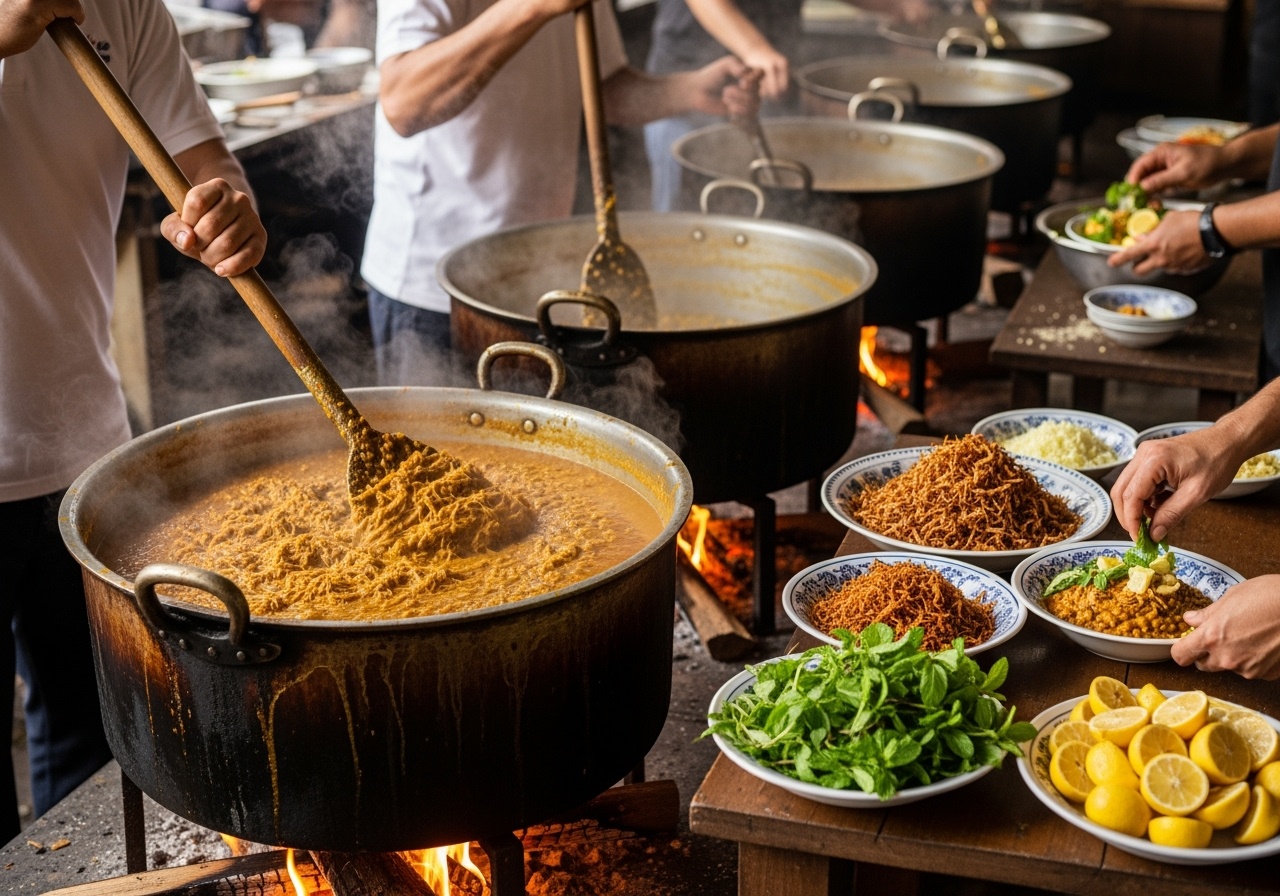
The preparation of authentic Haleem represents one of the most labor-intensive and skill-requiring processes in Bhagyanagar's culinary repertoire, beginning in the early morning hours and continuing throughout the day with constant attention, stirring, and adjustment of ingredients and cooking conditions. Various types of lentils including wheat, barley, chickpeas, and different varieties of dal are cooked separately with distinct spice combinations before being combined and cooked together for several more hours.
What distinguishes Bhagyanagar's Haleem from similar dishes prepared in other regions is the specific proportion of ingredients, the unique spice blend that includes locally grown varieties of red chilies and aromatic spices, and the particular cooking technique that achieves the perfect consistency and flavor balance. The final product should have a smooth, porridge-like consistency while retaining distinct flavors from each ingredient component.
The dish is traditionally garnished with fried onions, fresh mint leaves, lemon juice, and sometimes boiled eggs, creating not only visual appeal but also providing contrasting textures and complementary flavors that enhance the overall eating experience. These garnishes are prepared separately and added just before serving to maintain their individual characteristics and contributions to the dish.
During Ramadan, Haleem preparation and consumption becomes a profound community affair with families, friends, and neighbors sharing this special dish as they break their daily fasts together. Many restaurants and street vendors specialize exclusively in Haleem during the holy month, creating temporary but passionate food destinations that attract both local residents and curious tourists who want to experience this authentic cultural tradition.
The popularity and cultural significance of Haleem extend far beyond religious observances, as many non-Muslim residents and international visitors have adopted this delicious and nutritious dish as a regular part of their dining preferences. The combination of high nutritional value, rich and complex flavors, and the comfort-food qualities makes Haleem appealing to people from all backgrounds who appreciate good food and authentic cultural experiences.
🍰 Traditional Sweets and Dessert Masterpieces
The sweet-making traditions of Bhagyanagar represent centuries of culinary innovation, cultural exchange, and artistic expression, creating a diverse and sophisticated array of desserts that range from elaborate festival specialties to everyday treats that provide perfect conclusions to memorable meals. The city's master sweet makers, known as "halwais," are revered artisans who have preserved traditional recipes while continuously innovating to meet contemporary tastes and dietary preferences.
Double ka Meetha stands as one of the city's most beloved and iconic desserts, demonstrating the remarkable ability of Bhagyanagar's culinary traditions to transform simple, everyday ingredients into extraordinarily rich and satisfying sweet dishes. This dessert involves carefully layering slices of bread with milk that has been slowly cooked and reduced, sugar, nuts, aromatic spices, and sometimes silver leaf, then baking the entire preparation until it achieves a custard-like consistency with varied textures throughout.
Qubani ka Meetha, prepared from dried apricots that are slowly cooked with sugar and aromatic spices, represents the Persian and Central Asian influences on local cuisine while demonstrating how imported ingredients were skillfully adapted to create distinctly local flavors and preparations. The apricots are often served with thick cream or custard, creating a dessert that balances the natural tartness of the fruit with rich sweetness and creamy textures.
The city's bakery traditions include Middle Eastern-inspired pastries such as baklava and other delicate preparations filled with nuts and soaked in honey or sugar syrup. These pastries require considerable skill to prepare properly, with paper-thin layers of dough that must be handled expertly to create the characteristic flaky textures and balanced sweetness that define authentic versions of these sophisticated desserts.
During festivals and special occasions throughout the year, Bhagyanagar's sweet shops create elaborate displays of traditional and seasonal specialties that reflect the city's diverse cultural calendar and religious observations. From Diwali sweets made with clarified butter, various nuts, and decorative silver leaf to Eid specialties that incorporate dates, rose water, and cardamom, these desserts serve both culinary and cultural purposes in maintaining community traditions and celebrating important occasions.
Modern sweet shops and traditional establishments have adapted historical recipes to accommodate changing dietary preferences and health consciousness, creating sugar-free versions, vegan alternatives, and health-conscious variations of classic desserts without compromising the authentic flavors and textures that make these sweets special and memorable for both local residents and visiting food enthusiasts.
🎭 Rich Cultural Heritage and Performing Arts Excellence
Bhagyanagar's cultural landscape represents one of India's richest and most diverse concentrations of performing arts, classical music, dance traditions, and literary achievements, shaped by centuries of royal patronage, community support, and artistic innovation. The city has served as a cultural capital for the Deccan region, attracting artists, musicians, poets, and performers who have created and preserved magnificent cultural traditions that continue to influence artistic expression across India and beyond.
The Bhagyanagar School of Music has produced numerous legendary artists who have contributed significantly to both Carnatic and Hindustani classical music traditions, creating innovative compositions and performance styles that bridge different musical approaches while maintaining the classical integrity and spiritual depth that defines Indian musical traditions. The city's musicians are renowned for their technical excellence, creative interpretations, and ability to blend traditional techniques with contemporary expressions.
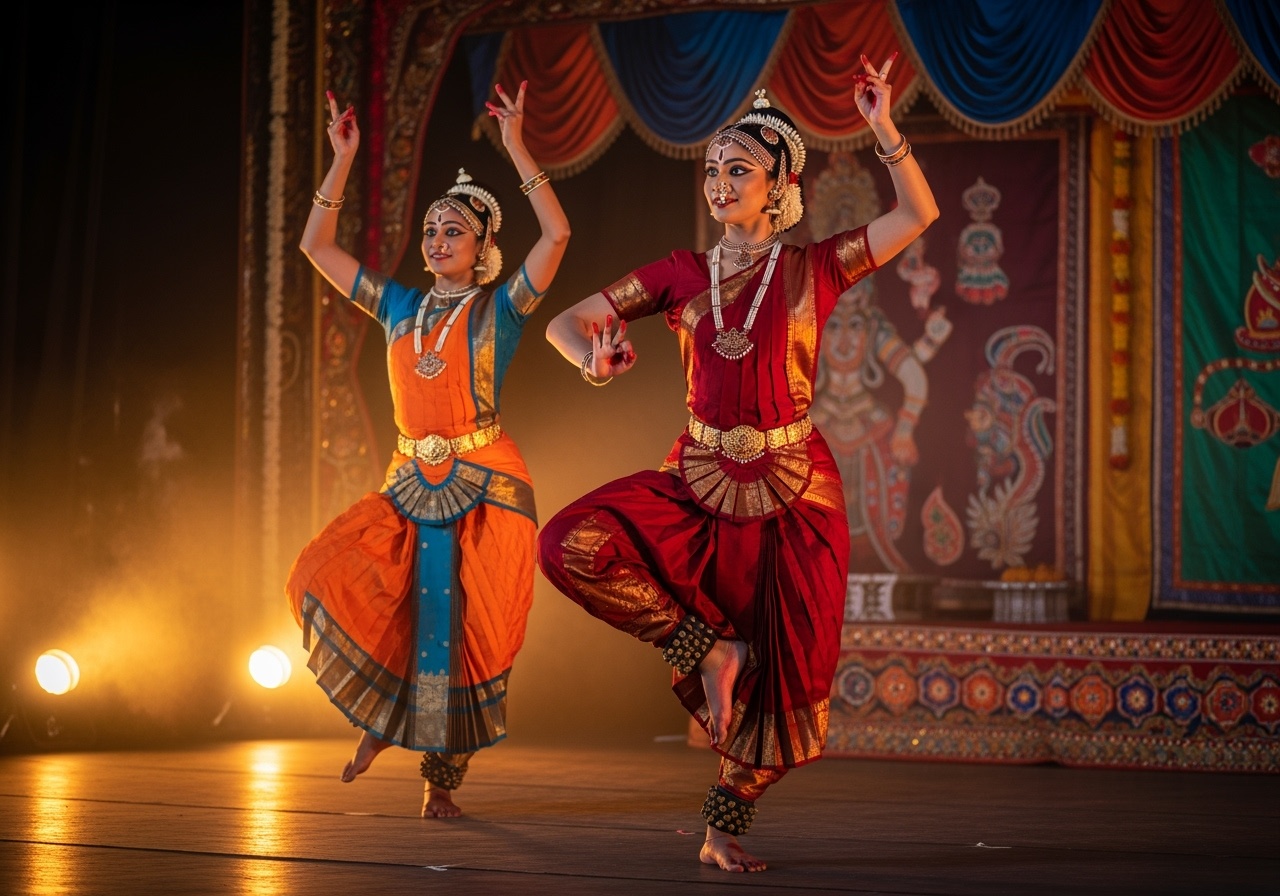
Classical dance forms, particularly Bharatanatyam, Kuchipudi, and Kathak, have strong and active traditions in Bhagyanagar, supported by numerous dance schools, performance venues, and annual festivals that celebrate these ancient art forms while encouraging innovation and contemporary relevance. The city's dance community includes both traditional practitioners who preserve authentic techniques and contemporary choreographers who create innovative works addressing modern themes and sensibilities.
The literary tradition of Bhagyanagar encompasses multiple languages including Telugu, Urdu, Hindi, and English, creating a multilingual cultural environment that fosters creativity, cross-cultural dialogue, and literary innovation. The city has produced renowned poets, novelists, playwrights, and scholars whose works reflect local experiences while addressing universal themes that resonate with readers and audiences around the world.
Traditional crafts and artisan traditions continue to thrive throughout the city, with skilled craftspeople creating beautiful textiles, jewelry, metalwork, and decorative objects using techniques passed down through multiple generations. These crafts serve both functional and aesthetic purposes while providing employment opportunities and preserving cultural heritage knowledge and skills for future generations.
The city's theater scene encompasses both traditional forms such as "Burrakatha" (storytelling with musical accompaniment) and contemporary drama that addresses current social issues and universal themes. These performances provide entertainment while serving educational and cultural preservation purposes, helping maintain community connections to their heritage while fostering critical thinking about contemporary challenges and opportunities.
🎉 Festivals and Community Celebrations
The festival calendar in Bhagyanagar reflects the city's remarkable multicultural character through celebrations throughout the year that bring together people from different religious, ethnic, and cultural backgrounds while honoring various traditions, seasonal changes, and community values. These festivals provide extraordinary opportunities for residents and visitors to experience authentic cultural expressions while participating in community activities that strengthen social bonds and promote mutual understanding.
Ganesh Chaturthi stands as perhaps the most spectacular and community-oriented festival in Bhagyanagar, transforming entire neighborhoods throughout the city into elaborate artistic showcases with magnificent decorations, community gatherings, cultural programs, and artistic displays that demonstrate the collective creativity, devotion, and organizational capabilities of local residents. The festival preparation involves weeks of community cooperation, artistic creation, fundraising, and social coordination that culminates in grand processions and ceremonial activities.
The installation of Ganesh idols in neighborhoods creates temporary but vibrant community centers where people from all backgrounds gather for prayers, cultural programs, social activities, and community meals. These celebrations transcend religious and social boundaries, with people from various communities participating in the festivities, sharing food, music, and entertainment while strengthening neighborhood relationships and cultural understanding.
Ramadan and Eid celebrations showcase the Islamic cultural heritage of the city with particular emphasis on community welfare, charitable activities, traditional food preparations, and religious observances. The old city areas become especially vibrant during these periods, with extended business hours, special food preparations, community iftar gatherings, and religious activities that create unique atmospheric experiences for both participants and visitors.
Diwali celebrations illuminate the entire metropolitan area with decorative lights, fireworks, and community festivities that honor traditions associated with prosperity, knowledge, victory of good over evil, and family unity. These celebrations involve extensive preparation, gift exchanges, traditional food preparation, and family gatherings that strengthen community bonds while creating spectacular visual displays throughout the city.
Regional festivals such as Bathukamma celebrate specifically Telugu cultural traditions with elaborate flower arrangements, traditional songs, community dancing, and rituals that honor women's contributions to family and community life. These festivals preserve indigenous cultural practices while providing opportunities for cultural education, community participation, and intergenerational knowledge transfer.
Contemporary cultural festivals include international film festivals, literary conferences, music concerts, art exhibitions, and cultural exchange programs that showcase both local and international talent while providing platforms for artistic collaboration, cultural dialogue, and creative innovation. These events contribute to the city's reputation as a cultural hub while providing residents and visitors with access to diverse and high-quality cultural experiences.
🎨 Traditional Arts, Crafts, and Artisan Excellence
The traditional arts and crafts of Bhagyanagar represent centuries of artistic achievement, cultural expression, and technical innovation, with skilled artisans creating beautiful and functional objects that serve aesthetic, practical, and ceremonial purposes while preserving cultural heritage and providing economic opportunities for traditional communities and their descendants.
The city's reputation for exquisite pearl jewelry stems from generations of craftsmen who possess extraordinary expertise in selecting, drilling, and setting pearls to create ornaments that range from simple everyday pieces to elaborate bridal sets that become treasured family heirlooms. The pearl trade has been central to Bhagyanagar's economy for centuries, and the skills involved in pearl crafting represent one of the city's most distinctive and internationally recognized cultural contributions.
Traditional textile arts encompass intricate embroidery techniques, complex weaving patterns, and sophisticated dyeing methods that create beautiful fabrics used for clothing, home decoration, ceremonial purposes, and artistic expression. The city's textile artisans are skilled in various techniques including gold and silver thread work (zardozi), mirror work (shisha), complex geometric patterns, and traditional motifs that reflect both Islamic and Hindu artistic traditions.
Metalwork traditions include the creation of decorative objects, religious items, and functional household goods using techniques that have been refined and transmitted through many generations of craftsmen. Artisans work with various metals including brass, copper, silver, and steel to create items that combine durability with aesthetic appeal, often incorporating traditional motifs and patterns that carry cultural and spiritual significance.
The city's calligraphy tradition represents the intersection of literary and visual arts, with skilled calligraphers creating beautiful written works that serve both decorative and literary purposes. Arabic and Urdu calligraphy are particularly well developed, with artists creating works that range from religious texts and poetry to contemporary artistic expressions that bridge traditional and modern aesthetic sensibilities.
Contemporary artists in Bhagyanagar continue to draw inspiration from traditional art forms while creating innovative works that address modern themes, use contemporary materials and techniques, and respond to current social and cultural conditions. This evolution ensures that traditional arts remain relevant and accessible to new generations while maintaining their cultural authenticity and historical significance.
🏘️ Community Life and Social Traditions
The social fabric of Bhagyanagar is woven from centuries of community traditions, neighborhood customs, and cultural practices that create strong bonds between residents while fostering inclusive environments that welcome visitors and new residents. These social traditions play crucial roles in maintaining cultural continuity, providing mutual support systems, and creating the warm hospitality for which the city is famous.
Neighborhood communities in Bhagyanagar often function as extended families, with residents supporting each other during celebrations, difficulties, and daily life activities. These community networks provide essential social services, cultural education, and economic cooperation that enhance quality of life while preserving traditional values and practices.
The concept of "Tehzeeb" (refined culture and etiquette) remains central to social interactions in Bhagyanagar, emphasizing courtesy, respect for elders, hospitality toward guests, and consideration for community harmony. These cultural values influence everything from business interactions and family relationships to public behavior and community celebrations.
Traditional gathering places such as tea houses, community centers, and neighborhood parks serve as informal social institutions where people from different backgrounds meet, discuss current events, conduct business, and maintain social connections. These spaces play vital roles in preserving community cohesion and cultural transmission between generations.
Language diversity and multilingual communication create rich opportunities for cultural exchange and mutual learning, with residents often speaking multiple languages and appreciating different cultural expressions. This linguistic diversity contributes to the city's cosmopolitan character while preserving distinct cultural identities and traditions.
Educational traditions emphasize not only formal academic learning but also cultural education, moral development, and artistic appreciation. Many families maintain traditions of music, poetry, and artistic education that supplement formal schooling while ensuring that cultural knowledge and appreciation are passed to younger generations.
🗺️ Where to Experience Authentic Culture and Cuisine
🍽️ Legendary Restaurants
- Paradise Restaurant - World-famous Biryani since 1953
- Shah Ghouse - Authentic Haleem and traditional preparations
- Hotel Shadab - Heritage restaurant with traditional atmosphere
- Bawarchi - Renowned for exceptional Biryani varieties
- Cafe Bahar - Local favorite with authentic flavors
- Alpha Hotel - Traditional sweets and dessert specialties
🎭 Cultural Venues and Experiences
- Shilpakala Vedika - Premier venue for cultural performances
- Ravindra Bharathi - Traditional theater and classical arts
- State Gallery of Art - Contemporary and traditional exhibitions
- Salar Jung Museum - World-class art and cultural artifacts
- Chowmahalla Palace - Royal heritage and cultural programs
- Golconda Fort - Evening sound and light cultural shows
🛒 Traditional Shopping and Markets
- Laad Bazaar - Traditional jewelry, pearls, and handicrafts
- Begum Bazaar - Textiles, fabrics, and traditional clothing
- Mozamjahi Market - Antiques, books, and cultural artifacts
- Perfume Street - Traditional fragrances and aromatics
- Sultan Bazaar - Books, crafts, and educational materials
- Madina Market - Spices, traditional foods, and ingredients
🎪 Festival and Event Locations
- Hussain Sagar Tank Bund - Major public celebrations
- Charminar and Old City - Traditional festivals and ceremonies
- HITEC City venues - Contemporary cultural events
- Public Gardens - Community gatherings and celebrations
- Neighborhood pandals - Authentic local festival experiences
- Cultural centers - Workshops and educational programs
💡 Essential Cultural Experience Tips
🍽️ Food and Dining Etiquette
- Try authentic Biryani during lunch hours for the freshest preparation
- Experience Haleem during Ramadan evenings for traditional atmosphere
- Eat with hands when appropriate for authentic cultural experience
- Start with smaller portions to appreciate complex flavors properly
- Show appreciation to chefs and restaurant staff for traditional hospitality
🎭 Cultural Sensitivity and Respect
- Dress modestly when visiting religious sites and traditional areas
- Learn basic Telugu and Urdu phrases for meaningful interactions
- Respect photography restrictions at cultural and religious venues
- Participate respectfully in community celebrations when invited
- Show genuine interest in local traditions and cultural practices
🛒 Shopping and Market Experiences
- Bargain respectfully in traditional markets as part of cultural interaction
- Support local artisans by purchasing authentic handmade products
- Ask about the history and significance of traditional crafts and items
- Visit markets during different times for varied cultural atmospheres
- Engage with vendors to learn about traditional production methods
🎪 Festival and Event Participation
- Check local calendars for festival dates and special cultural events
- Join community celebrations when welcomed by local residents
- Observe and respect traditional customs during religious festivals
- Capture memories respectfully without disrupting ceremonial activities
- Appreciate the community spirit and cooperative nature of local celebrations