Welcome to Bhagyanagar
The Pearl of Deccan - Where Ancient Heritage Meets Modern Innovation
Discover the Timeless Beauty of Bhagyanagar
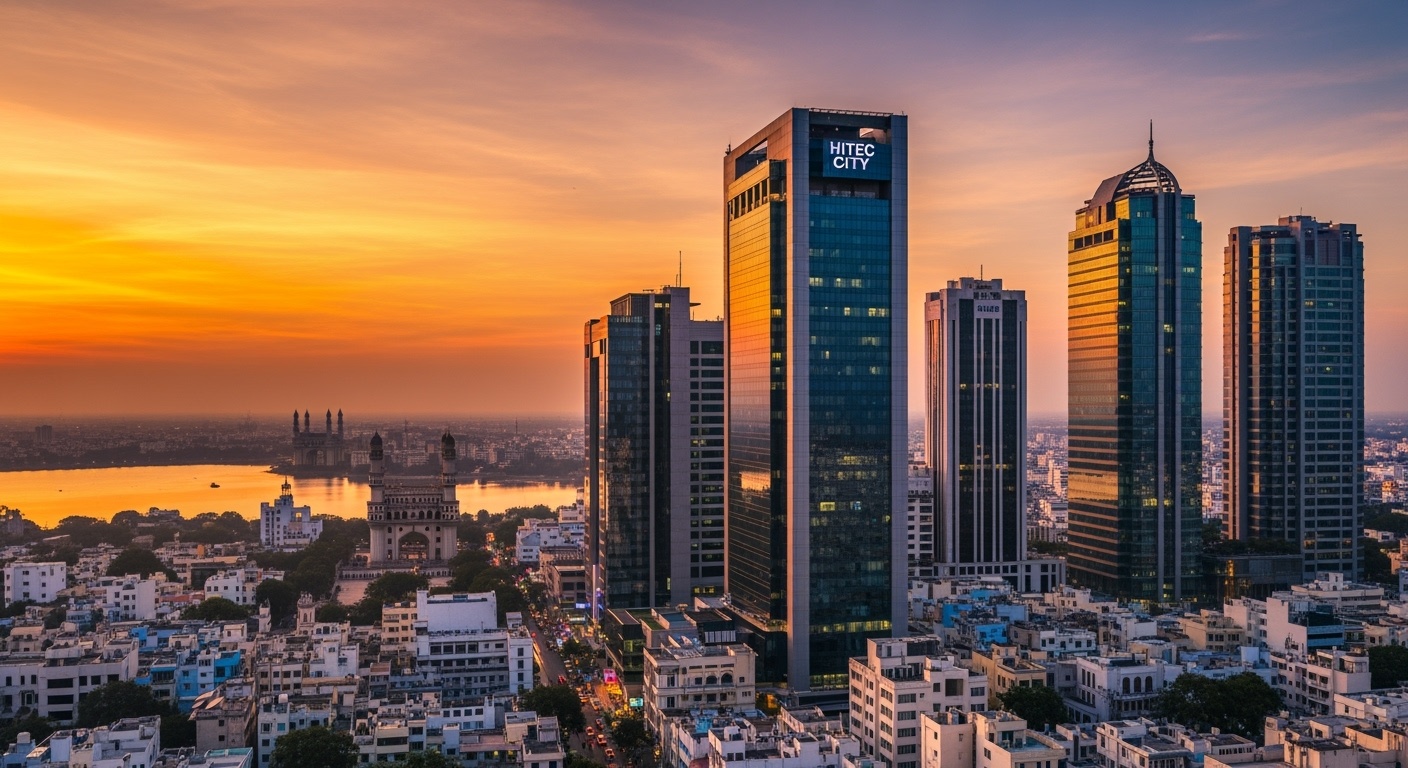
Bhagyanagar, historically known as Hyderabad and lovingly called the Pearl of Deccan, stands as one of India's most captivating cities where centuries-old traditions harmoniously blend with cutting-edge technology and modern urban development. This magnificent metropolis, serving as the capital of Telangana state, offers visitors an extraordinary tapestry of experiences that span from ancient architectural marvels to contemporary innovation hubs.
The city's transformation over the past few decades has been nothing short of remarkable. While maintaining its deep-rooted cultural identity and historical significance, Bhagyanagar has emerged as a global technology center, earning recognition as one of India's most progressive and livable cities. This unique duality creates an urban landscape where medieval monuments stand proudly alongside gleaming corporate towers, traditional bazaars thrive next to modern shopping complexes, and age-old culinary traditions continue to flourish in contemporary settings.
What makes Bhagyanagar truly exceptional is its ability to honor its illustrious past while embracing an innovative future. The city serves as a living museum of Indian history, showcasing architectural styles from the Qutb Shahi and Asaf Jahi periods, while simultaneously hosting some of the world's largest technology companies. This remarkable juxtaposition creates countless opportunities for visitors to experience diverse facets of Indian culture, from exploring 400-year-old monuments to witnessing state-of-the-art technological innovations.
A Cultural Melting Pot of Extraordinary Diversity
Bhagyanagar's cultural landscape represents one of the richest and most diverse in India, shaped by centuries of rule under various dynasties, each contributing unique elements to the city's identity. The Qutb Shahi rulers established the foundation of the city's Indo-Islamic architectural heritage, while the later Asaf Jahi dynasty, known as the Nizams, elevated it to unprecedented heights of cultural sophistication and artistic excellence.
This multicultural heritage is evident in every aspect of city life, from the languages spoken on its streets to the festivals celebrated throughout the year. Telugu, Urdu, Hindi, and English coexist seamlessly, creating a linguistic environment that reflects the city's inclusive nature. The architectural styles range from Indo-Islamic masterpieces like Charminar and Mecca Masjid to British colonial buildings and contemporary structures that define the modern skyline.
The city's festivals and celebrations demonstrate this cultural diversity beautifully. Ganesh Chaturthi transforms entire neighborhoods into artistic showcases with elaborate decorations and community celebrations. Ramadan brings special energy to the old city with traditional iftar gatherings and the famous Haleem preparation. Diwali illuminates the entire metropolitan area with lights and festivities, while Christmas adds its own charm to the winter season. These celebrations transcend religious boundaries, with people from all communities participating in the joy and festivity.
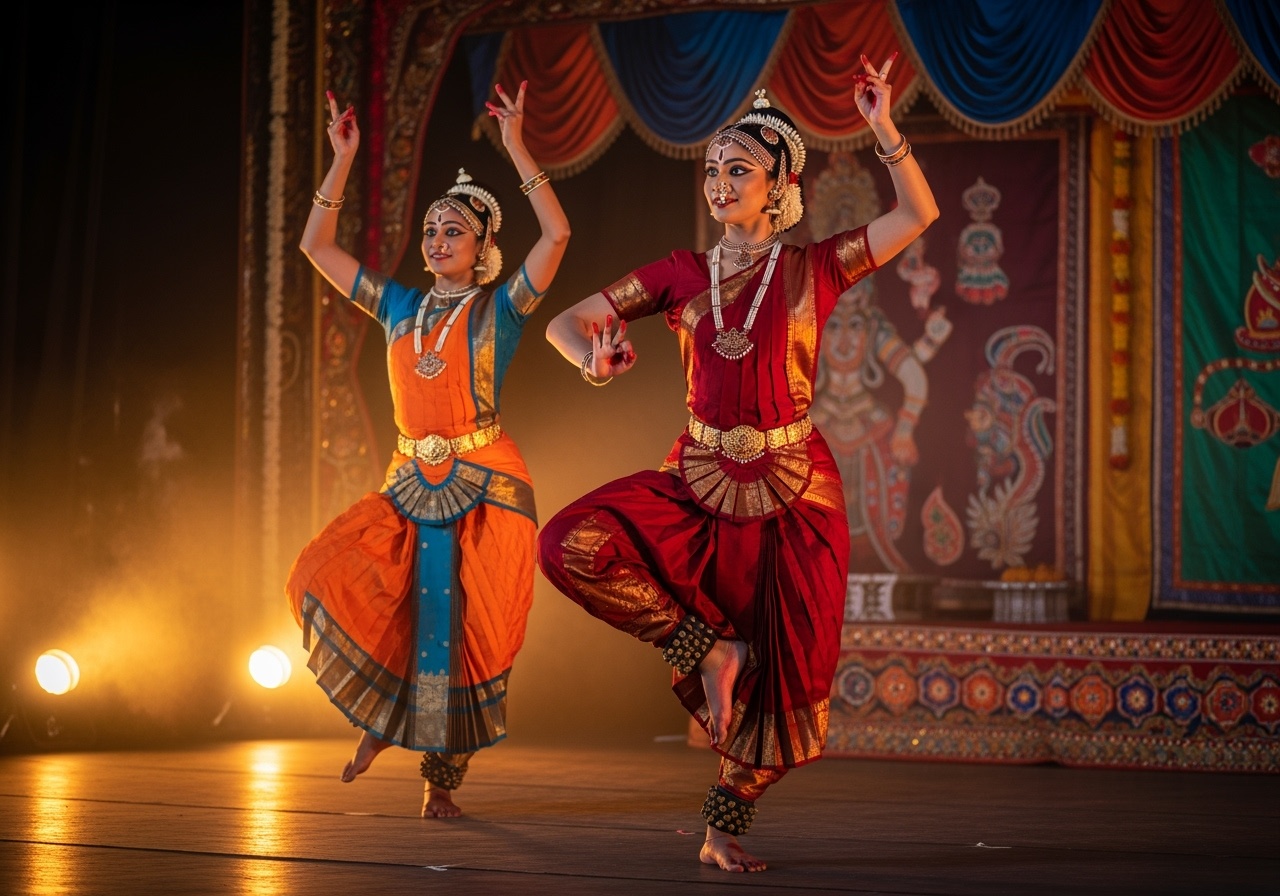
Art and literature have always held special places in Bhagyanagar's cultural hierarchy. The city has produced renowned poets, writers, musicians, and artists who have contributed significantly to Indian cultural heritage. The Urdu language, in particular, reached remarkable heights of literary excellence here, with poets and scholars creating works that continue to influence literary traditions across the subcontinent.
Architectural Marvels That Define Centuries
The architectural landscape of Bhagyanagar serves as an open-air museum showcasing the evolution of building styles, construction techniques, and artistic sensibilities across different historical periods. Each structure tells a unique story of the era in which it was built, the rulers who commissioned it, and the craftsmen who brought these visions to life with extraordinary skill and dedication.
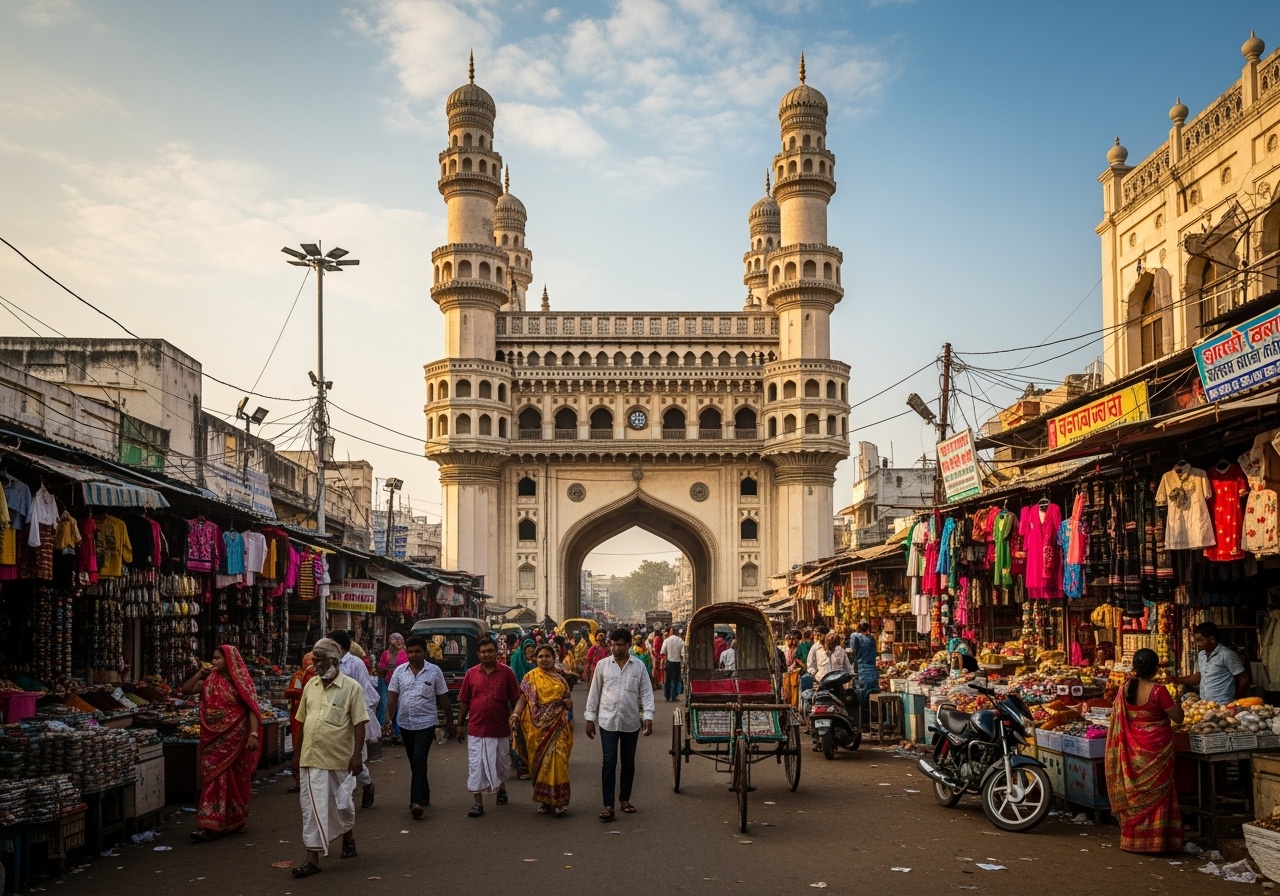
Charminar, the city's most iconic monument, represents the pinnacle of Indo-Islamic architecture in the Deccan region. Built in 1591 by Sultan Muhammad Quli Qutb Shah, this magnificent structure with its four minarets reaching 56 meters into the sky continues to serve as both a mosque and a symbol of the city's resilience. The monument's strategic location at the center of the old city creates a perfect focal point for the surrounding historical district.
Golconda Fort stands as testimony to the engineering prowess of medieval Indian builders. This massive fortress complex, with its ingenious acoustic system, sophisticated water supply network, and strategic defensive positions, demonstrates the advanced knowledge of architecture, engineering, and urban planning possessed by ancient Indian civilizations. The fort's ability to amplify sound across vast distances without modern technology continues to amaze visitors and architects alike.
The Qutb Shahi tombs represent some of the finest examples of mortuary architecture in India. These elaborate structures, built for the rulers of the Qutb Shahi dynasty, showcase intricate decorative work, innovative dome construction, and beautiful garden settings that influenced tomb architecture throughout the region. Each tomb reflects the personality and achievements of the ruler for whom it was built, creating a necropolis that serves as both architectural marvel and historical narrative.
The palaces built during the Nizam period, particularly Chowmahalla Palace and Falaknuma Palace, demonstrate the evolution of architectural styles as they incorporated European influences while maintaining traditional Indian elements. These structures showcase the wealth, sophistication, and cultural refinement achieved during the peak of Nizam rule, when Bhagyanagar was considered one of the wealthiest regions in the world.
Culinary Heritage Beyond Compare
Bhagyanagar's culinary tradition represents one of the most sophisticated and celebrated in India, developed through centuries of cultural exchange, royal patronage, and community innovation. The city's food culture goes far beyond the famous Biryani, encompassing a vast array of dishes that reflect Persian, Arabic, Turkish, Mughlai, and local Deccan influences combined into unique preparations found nowhere else in the world.
The legendary Bhagyanagar Biryani stands as the crown jewel of the city's culinary heritage. This extraordinary dish represents much more than a rice preparation; it embodies the cultural synthesis that defines the city itself. The careful selection of aged Basmati rice, tender meat (traditionally goat, but now including chicken and other variations), aromatic spices sourced from across the region, and the precise cooking technique known as 'dum pukht' create layers of flavor and texture that have made this dish famous worldwide.
Haleem, another signature dish, demonstrates the city's ability to transform simple ingredients into culinary masterpieces. This nutritious and flavorful preparation, combining various lentils, wheat, barley, and meat, requires hours of careful cooking to achieve the perfect consistency and flavor balance. During Ramadan, the entire old city becomes fragrant with the aroma of Haleem being prepared in massive quantities to feed the faithful breaking their fasts.
The city's dessert traditions showcase equal sophistication and variety. Double ka Meetha transforms ordinary bread into an incredibly rich and satisfying sweet dish through careful layering with milk, sugar, nuts, and aromatic spices. Qubani ka Meetha, made from dried apricots, represents the Persian influence on local cuisine and demonstrates how imported ingredients were adapted to create distinctly local flavors.
Street food culture in Bhagyanagar offers equally compelling experiences, with neighborhoods throughout the city specializing in different types of snacks and quick meals. From the savory delights of Osmani Biscuits and Lukhmi to the refreshing Falooda and various types of chaats, the street food scene provides affordable and authentic tastes of local culture while supporting thousands of small entrepreneurs and family businesses.
The beverage culture, particularly the famous Irani Chai served in small glasses alongside Osmania biscuits, creates social spaces where people from all walks of life gather to discuss current events, conduct business, and maintain community connections. These tea houses, many of which have operated continuously for decades, serve as informal community centers that play crucial roles in maintaining neighborhood social fabric.
Modern Innovation and Technology Leadership
Bhagyanagar's transformation into a global technology hub represents one of the most successful urban development stories in modern India. The creation of HITEC City (Hyderabad Information Technology Engineering Consultancy City) in the late 1990s marked the beginning of a technology revolution that has fundamentally altered the city's economic base, demographic composition, and international profile.
Today, the city hosts operations of virtually every major global technology company, from established giants like Microsoft, Google, Amazon, and IBM to emerging startups that are reshaping various industries. This technology ecosystem has created hundreds of thousands of high-skilled jobs, attracted talent from across India and abroad, and established Bhagyanagar as one of the world's major technology centers.
The biotechnology and pharmaceutical sectors have also flourished, earning Bhagyanagar recognition as India's pharmaceutical capital. The city produces a significant percentage of India's bulk drugs and pharmaceutical products, with companies ranging from large multinational corporations to innovative startups focused on drug discovery and development. This pharmaceutical cluster has created comprehensive ecosystems including research institutions, manufacturing facilities, and support services.
Financial services have expanded rapidly, with numerous banks, insurance companies, and financial technology firms establishing significant operations in the city. The development of specialized financial districts has created integrated business environments that support various types of financial services while maintaining connectivity to global markets and regulatory frameworks.
Aerospace and defense industries have also found favorable conditions in Bhagyanagar, with both government and private sector companies establishing manufacturing and research facilities. These developments have contributed to India's growing capabilities in aviation technology, satellite systems, and defense equipment while creating high-value employment opportunities for engineering and technical professionals.
Natural Beauty and Environmental Harmony
Despite rapid urbanization and industrial development, Bhagyanagar has maintained significant natural beauty through careful urban planning and environmental consciousness. The city's numerous lakes, parks, and green spaces provide essential ecological services while offering residents and visitors opportunities for recreation, exercise, and connection with nature.
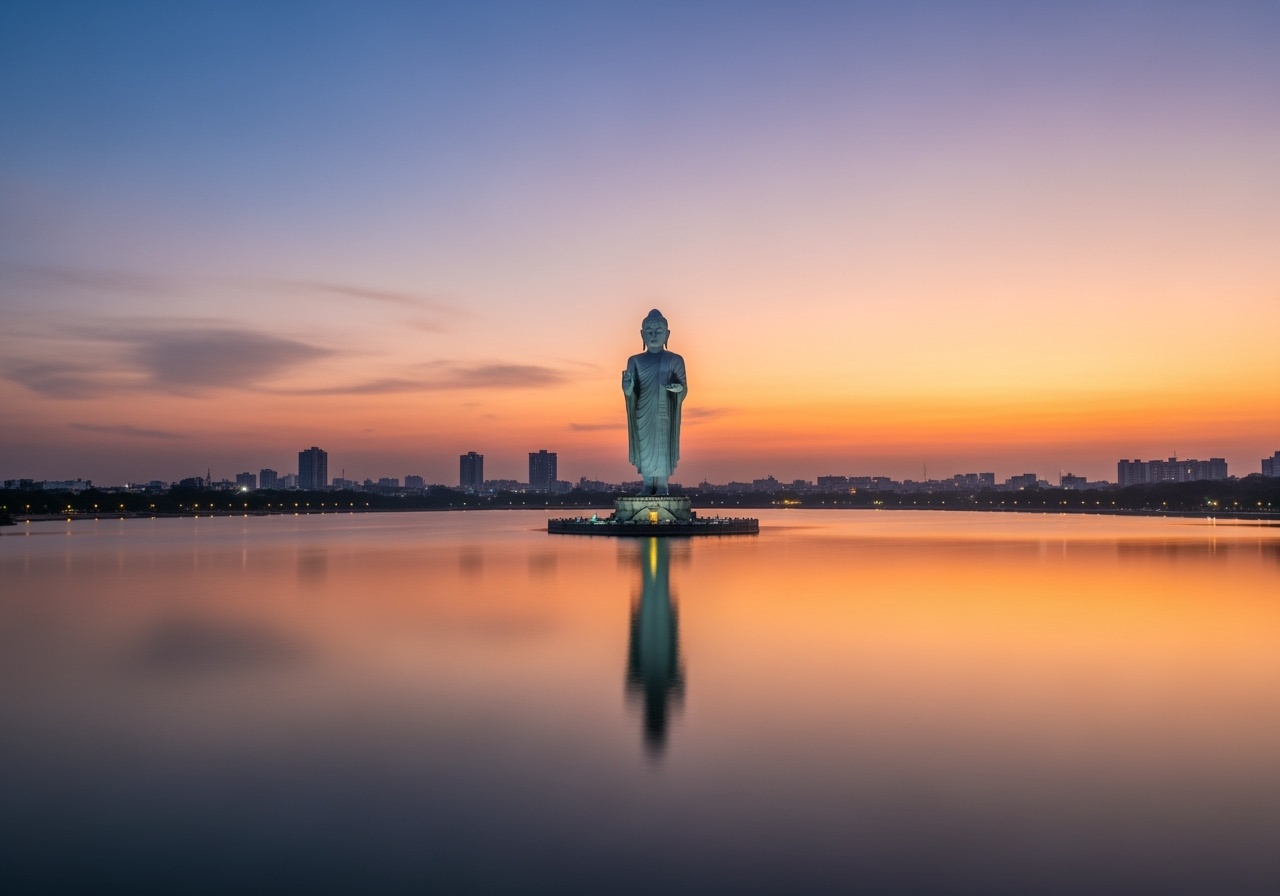
Hussain Sagar Lake, with its iconic Buddha statue, serves as the city's central water body and recreational focal point. The lake supports boating activities, cultural events, and serves as a natural cooling system for the urban environment. The surrounding Tank Bund road features statues of prominent personalities from Telugu literature and culture, creating an outdoor cultural gallery that combines natural beauty with artistic expression.
The Botanical Gardens showcase plant diversity from around the world while serving as research and conservation facilities. These gardens provide educational opportunities for students and visitors while maintaining important collections of indigenous and exotic plant species. The rose gardens, in particular, create spectacular seasonal displays that attract photographers and nature enthusiasts.
Urban parks throughout the city provide green spaces within dense residential and commercial areas. These parks serve multiple functions, from providing exercise and recreation facilities to supporting urban wildlife and improving air quality. Many parks have been designed to incorporate traditional landscaping styles with modern amenities, creating spaces that reflect local cultural preferences while meeting contemporary needs.
The city's commitment to environmental sustainability is evident in various green initiatives, including renewable energy adoption, water conservation programs, and waste management systems. These efforts aim to balance continued economic growth with environmental protection, ensuring that future generations can enjoy both prosperity and natural beauty.
Educational Excellence and Knowledge Centers
Bhagyanagar has established itself as a major educational hub, hosting prestigious institutions that attract students, researchers, and faculty from across India and internationally. The city's educational landscape encompasses everything from primary schools and colleges to world-class universities and specialized research institutions that contribute to various fields of knowledge and innovation.
The University of Hyderabad, Osmania University, and BITS Pilani Hyderabad campus represent just a few of the higher education institutions that have established the city's reputation for academic excellence. These universities offer comprehensive programs in sciences, engineering, humanities, social sciences, and professional fields while conducting research that addresses both local needs and global challenges.
Technical education institutions, including the Indian Institute of Technology (IIT Hyderabad) and various engineering colleges, have created pipelines of skilled professionals who support the city's technology industries while contributing to broader technological advancement. These institutions maintain strong connections with industry partners, ensuring that their curricula remain relevant to current and emerging technological needs.
Medical education and healthcare training programs have produced professionals who serve not only local healthcare needs but also contribute to medical services across India and internationally. The city's medical colleges and hospitals provide comprehensive training environments while conducting research that advances medical knowledge and improves patient care.
Research institutions focusing on various disciplines, from agricultural sciences and biotechnology to social sciences and policy studies, contribute to knowledge creation while addressing practical challenges facing the region and nation. These institutions often collaborate with international partners, creating global networks of knowledge sharing and scientific cooperation.
Transportation and Connectivity Excellence
Bhagyanagar's transportation infrastructure represents one of the most comprehensive and efficient systems among Indian cities, designed to handle the mobility needs of a rapidly growing metropolitan population while maintaining connectivity to regional, national, and international destinations.
The Rajiv Gandhi International Airport serves as a major hub for both domestic and international air travel, connecting Bhagyanagar to cities across India and destinations worldwide. The airport's modern facilities and efficient operations have contributed significantly to the city's attractiveness as a business and tourism destination while supporting the growth of various industries that depend on rapid transportation.
The metro rail system provides clean, efficient, and affordable public transportation that connects major residential, commercial, and business areas throughout the metropolitan region. The metro's integration with other transportation modes creates seamless connectivity that reduces travel time and environmental impact while improving quality of life for daily commuters.
Road transportation infrastructure includes well-maintained highways, urban roads, and an extensive bus network that provides affordable mobility options for residents and visitors. The Outer Ring Road and other major thoroughfares facilitate efficient movement around the metropolitan area while connecting to national highway systems.
Railway connectivity through multiple stations ensures that Bhagyanagar maintains strong connections to all major Indian cities. The railway infrastructure supports both passenger and freight transportation, contributing to the city's role as a major commercial and logistics hub.
Shopping and Commercial Experiences
The shopping landscape in Bhagyanagar offers extraordinary variety, from ancient bazaars that have operated continuously for centuries to ultra-modern shopping complexes that feature international brands and contemporary retail experiences. This diversity ensures that visitors can find everything from authentic local products and traditional crafts to global luxury goods and cutting-edge technology.
The historic markets around Charminar, including Laad Bazaar, Begum Bazaar, and Mozamjahi Market, provide authentic shopping experiences where traditional commerce continues to flourish. These markets specialize in products that reflect the city's cultural heritage, including handcrafted jewelry, traditional textiles, aromatic spices, perfumes, and decorative items that make meaningful souvenirs and gifts.
Modern shopping malls and commercial complexes offer climate-controlled environments with international brands, food courts, entertainment facilities, and services that cater to contemporary shopping preferences. These venues often combine shopping with dining and entertainment, creating comprehensive leisure destinations that appeal to families and young professionals.
Specialty markets throughout the city focus on specific types of products, from electronics and automotive parts to books and educational materials. These specialized commercial areas demonstrate the city's commercial sophistication while providing efficient access to various types of goods and services.
The pearl trade, for which the city is historically famous, continues through specialized dealers who offer everything from simple ornaments to elaborate jewelry sets. Understanding the pearl market requires some knowledge, but the experience of selecting and purchasing authentic pearls provides connection to one of the city's most important historical commercial traditions.
Festivals and Cultural Celebrations
The festival calendar in Bhagyanagar reflects the city's multicultural character through celebrations that bring together people from different backgrounds while honoring various religious, cultural, and seasonal traditions. These festivals provide opportunities for visitors to experience authentic cultural expressions while participating in community activities that strengthen social bonds and cultural understanding.
Ganesh Chaturthi represents the most spectacular community celebration, transforming neighborhoods throughout the city into artistic showcases with elaborate decorations, community gatherings, and cultural programs. The preparation for this festival involves weeks of community cooperation, artistic creation, and social organization that demonstrate the city's capacity for collective action and cultural expression.
Ramadan and Eid celebrations showcase the Islamic cultural heritage with special emphasis on community welfare, charitable activities, and traditional foods. The old city areas become particularly vibrant during these periods, with extended business hours, special food preparations, and religious observances that create unique atmospheric experiences for visitors.
Diwali celebrations illuminate the entire metropolitan area with decorative lights, fireworks, and community festivities that honor traditions associated with prosperity, knowledge, and the triumph of good over evil. These celebrations involve extensive preparation, gift exchanges, and family gatherings that strengthen community bonds while creating spectacular visual displays.
Regional festivals like Bathukamma celebrate specifically Telugu cultural traditions with flower arrangements, traditional songs, and community dancing that honor women's contributions to family and community life. These festivals preserve indigenous cultural practices while providing opportunities for cultural education and community participation.
Contemporary cultural festivals include film festivals, literary conferences, music concerts, and art exhibitions that showcase both local and international talent while providing platforms for cultural exchange and artistic collaboration. These events contribute to the city's reputation as a cultural hub while providing residents and visitors with access to diverse cultural experiences.
Healthcare and Wellness Excellence
Bhagyanagar has emerged as a leading medical tourism destination with world-class healthcare facilities that combine advanced medical technology with traditional healing practices, affordable costs, and high-quality professional services. The city's healthcare sector serves both local residents and international patients seeking various types of medical treatment and wellness services.
Major hospital systems provide comprehensive medical services including specialized treatments, advanced surgical procedures, and emergency care that meets international standards. Many hospitals have received international accreditation and maintain partnerships with medical institutions worldwide, ensuring access to the latest medical knowledge and treatment protocols.
Traditional medicine systems, including Ayurveda, Unani, and other indigenous healing practices, continue to thrive alongside modern medical facilities. Many wellness centers combine traditional and contemporary approaches, offering holistic health services that address both physical and mental well-being through comprehensive treatment programs.
Medical research institutions contribute to advancement in various fields including pharmaceutical development, medical device innovation, and treatment protocol development. These research efforts often address health challenges specific to the region while contributing to global medical knowledge and improving patient care standards.
Wellness tourism has developed around the city's healthcare capabilities, with specialized facilities offering health assessment programs, preventive care services, and wellness retreats that combine medical services with relaxation and cultural experiences.
Future Vision and Sustainable Development
Bhagyanagar's development trajectory focuses on sustainable growth that balances economic advancement with environmental protection, cultural preservation, and social equity. The city's planners and administrators work to ensure that continued growth enhances quality of life for all residents while maintaining the unique characteristics that make the city special.
Smart city initiatives incorporate technology solutions to improve urban services, reduce environmental impact, and enhance citizen experiences with government services. These programs include digital governance platforms, intelligent transportation systems, energy-efficient infrastructure, and data-driven decision-making processes that optimize resource utilization.
Environmental sustainability programs address air and water quality, waste management, renewable energy adoption, and green space preservation. These initiatives aim to ensure that economic growth does not compromise environmental quality, creating a model for sustainable urban development that other cities can emulate.
Cultural preservation efforts work to maintain historical monuments, traditional arts and crafts, linguistic diversity, and cultural practices while adapting them to contemporary conditions. These programs ensure that future generations can experience and appreciate the rich cultural heritage that defines the city's identity.
Economic diversification continues through support for emerging industries, entrepreneurship development, and innovation ecosystems that create opportunities for various types of businesses and employment. This approach reduces dependence on any single economic sector while building resilience against economic challenges.
International cooperation through sister city relationships, cultural exchange programs, and business partnerships creates opportunities for learning, collaboration, and mutual benefit with cities and regions worldwide. These relationships contribute to the city's global perspective while sharing its unique contributions with international communities.
As Bhagyanagar continues to evolve, it maintains its commitment to being a city that honors its past while embracing its future, welcomes visitors from around the world while serving its residents, and demonstrates how tradition and modernity can coexist harmoniously to create extraordinary urban experiences.
Explore Bhagyanagar
Historic Attractions
Discover ancient monuments and architectural marvels that tell the story of centuries
Explore